Juxtaposition: Glass & Grit
highlight_author
A G
highlight_reads
47.8K
highlight_chapters
60
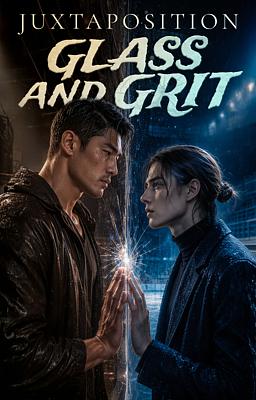
Juxtaposition: Glass & Grit follows two athletes built to endure, until the camera demands they bleed. Ash is a celebrated figure skater with a reputation for scandal and a life managed like property. Ethan is a boxer chasing legitimacy while hiding a neurological condition that could end everything. Cast into forced proximity for a prestige documentary, they become both subjects and spectacle, caught in contracts, betrayal, and carefully edited truth. As their private fractures surface, hostility shifts into protectiveness, and intimacy becomes the only place that feels real.
Unscored Programs
ASHTON
Breakfast is supposed to be sacred. Annie’s word, said like it blesses the table and protects what happens on it. In this house, “sacred” mostly means scheduled, monitored, and used as leverage when someone needs you compliant before noon.
I was halfway through my eggs when the door opened, and my first thought was irritation at the timing, not curiosity. Sunny side up again, not because I like them, but because someone decided my preferences were optional.
The yolks were already doing their slow bleed into the whites by the time Annie walked in, carrying that calm ownership she always wears, like the whole building has been waiting for her to arrive and tell it what it is. She dumped a thick stack of magazines onto the table. No greeting. No warning.
The sound was heavy enough to feel intentional, gloss and paper striking wood like a verdict. Then she nudged my plate to the side with exacting care, the way you clear a workspace when you’re about to lay out evidence. A manila file sat on top of the pile, flap torn open.
It wasn’t supposed to be, which meant it had been opened on purpose. “What’s that?” I asked, reaching for my guava juice.
Cold. Tart. The one part of the morning that still tastes like it belongs to me.
“These,” she said, folding her arms across her chest like a door locking, “are all the sports magazines you were mentioned in this year.”
Mentioned, delivered like an accusation.
She glanced down again, recalculated without apology. “Five months, actually.”
I looked at the stack. She looked at me. Annie always watches like she’s waiting for you to admit guilt, even when she already has the proof and simply wants the satisfaction of your face catching up.
“You already know the light they’ve painted you in,” she said.
“I can guess.” I took a sip and let it sit longer than it needed to, as if I could stretch the moment by holding the taste in my mouth. “So what’s the file?”
“It’s a proposal.”
“Did Maeve officially lose her mind?”
Annie’s expression didn’t move. “It’s not that kind of proposal, Ash, and I would very much like you to take it seriously.”
“I’m trying,” I said, gesturing at the spread she’d created on the table like breakfast was an inconvenience to be relocated. “You’re feeding me crumbs and acting like I should chase the picture.”
She leaned forward a fraction, enough to change the temperature of the room. “It’s from Brian Kenny.”
The name stopped my mouth mid-motion. My grip tightened on the glass without meaning to. “Brian Kenny.”
“Yes,” Annie said, already impatient with my need to confirm reality before reacting to it. “The director. Sleeper Cell. You, In My Sight. As the Wind Blows.”
“I’m not interested in acting.”
“It’s not acting.” Her voice sharpened. “It’s observational. He wants to follow you. And a boxer.”
“A boxer,” I repeated, because my brain refused to accept it cleanly.
Annie tapped the file with one nail. “Working title is Glass and Grit. It’s a documentary project.”
I stared at the manila like it might change shape if I refused to look at its contents long enough. My name was scrawled across the front in thick marker, uneven, heavy-handed, like someone wrote it while annoyed.
“Why would I agree to this?” I asked, and I hated how thin my voice sounded, like the question had slipped past my defenses.
Annie held my gaze with that manager stare she uses when she’s about to make my choices feel smaller than her plan.
“Because people think you’re rubbish.”
Simple. Finished. No drama. No cushion. The words landed like she’d been saving them for the moment they would do maximum damage.
I scoffed, because scoffing is easier than admitting anything in my chest moved. “They aren’t wrong.”
“Trash doesn’t keep sponsors,” she said. “Trash doesn’t keep money coming in. And I have a family to take care of.”
I shot her a look. “You chose to manage me. I never asked you to jump in. I never asked any of you to jump in.”
“This is a story for another day,” she said and sat, like the topic could be filed away because she was done with it.
Her voice softened by a shade, the way it does when she wants control to resemble care. “Listen. This is your chance to remind people you deserve to be among the greats. Brian’s coming back from hiatus. The industry’s starving for something honest. If you’re on that screen, people will look at you differently.”
I stared at my guava juice. It didn’t taste fresh anymore. It tasted like strategy. Like a plan that would require me to be human in a way I don’t know how to perform safely.
“I’ve got training in an hour,” I muttered, standing too quickly, chair legs scraping. “Put it on hold.”
“Ash.”
I didn’t stay. I moved down the hallway, past framed family photos that felt less like love and more like inventory.
My room was still a mess from last night. I stepped over a hoodie, grabbed my duffel, and didn’t check what was inside. If I forgot something, fine. Replaceable. Everything is replaceable in this family except the image they’ve decided you should maintain.
Annie’s voice followed me anyway. I didn’t turn. I shoved the front door open and let it slam behind me.
The sun hit hard. Too bright. Too sure of itself.
I got into the car, pressed the ignition, and the engine woke up with a low growl that felt almost annoyed to be needed. I backed out fast enough to scrape the curb. Just enough to leave proof I’d been there and left in a mood.
Good.
People think I’m rubbish. She said it like a diagnosis.
If I wanted a redemption narrative, I could buy one. Sit under studio lights, wear a sweater that implies humility, let my voice wobble in the right places. Say I’ve grown. Say I’m learning.
People treat rehearsed regret like proof of depth. I’m bad at lying.
And Annie’s right. I am trash. Not tragically. Practically. Spoiled fruit on the counter that everyone points at while they keep walking past it, disgusted and entertained at the same time.
The headlines aren’t about skating. They never are.
I screamed at my coach during an international event. Mic on. Cameras rolling. It became a clip people replayed because it made them feel clean.
There was the sponsor rumor. I didn’t sleep with her. I also didn’t deny it. I was drunk, tired, and she liked the attention. The truth felt like effort, and I’ve learned the world doesn’t reward effort unless it can be branded.
And then there’s the backstage footage. Me vomiting during a press interview, hunched over like something ugly had finally surfaced. Everyone assumed drugs because that story feels satisfying. Nobody asked why I hadn’t eaten.
So now I’m a scandal that happens to skate. A walking reel of bad decisions dressed in sequins. None of it is about edges, footwork, score sheets, or the hours I’ve carved into my body until it behaves like a weapon. It’s gossip. Noise. Glitter and ash.
The villain role is already cast. At least villains don’t have to beg.
The rink was quiet when I arrived, and the silence felt earned. I pushed through the side doors and let the cold bite into my lungs, the kind of clean discomfort that doesn’t pretend to care about your feelings.
The ice doesn’t care what people think of me. It only responds to what I do to it.
I dropped my bag by the benches, tugged on my boots, and started lacing. Tight. Always tight. There’s a comfort in pressure, in the idea that you can pull something hard enough to keep it from slipping.
When I stepped onto the ice, my thoughts thinned. My body took over. Turn. Push. Carve. Jump. Land.
Again. Faster.
I ran the program until my legs started speaking in that familiar language of burn and demand, and I listened because it’s the only voice in my life that doesn’t come with manipulation attached. Skating is the one place I can exist without having to narrate myself. No interviews. No apologies. No family voices overlapping like they own my bloodstream. Motion is honest. Motion is mine.
I fell once on a jump, impact snapping up my spine. The kind of jolt that would make the audience gasp if anyone were here to watch, which is exactly why I like empty rinks. I didn’t give it a reaction.
I got up, adjusted my entry, and ran it again, sharper, harder.
Perfection always asks for blood first.
I was toweling off near the barrier when skates scraped behind me. “Well,” a voice said, “that was dramatic.”
I didn’t turn right away. I didn’t have to. Maeve never enters anything quietly.
When I finally looked, she was at the edge of the ice, beanie too clean, curls spilling out like an accessory, bangs sitting stiff and intentional. Her eyes watched me with mild interest, like I was a headline she might click if she was bored.
“You’re late,” I said.
“I wasn’t scheduled,” she replied, skating closer with controlled ease, blades whispering like she wanted to seem harmless.
Maeve and I share an agency. We share a storyline too, when the board wants a fairy tale for cameras and sponsors. Sometimes we still play it.
Sometimes we play other versions in private when both of us want friction more than conversation.
She isn’t a bad skater. Technically sound, polished, pretty in the way judges like. What irritates me is the emptiness behind it, the sense that she performs for approval and calls it artistry.
Her gaze flicked over me. “You look like you slept under a bridge.”
“I slept fine.”
She hummed, unconvinced, then glanced toward the benches like she was considering whether to sit, whether to stay, whether to commit to being present. Maeve is always doing that small calculation, even with people she’s already undressed in front of.
“What’s wrong?” she asked, and the words sounded almost practiced, like she’d said them before to someone else.
“My sister wants to sell my soul,” I said.
Maeve’s mouth twitched. “That’s vague enough to be true.”
“Brian Kenny,” I added.
That got her attention. She lifted her chin. “The Brian Kenny.”
“Yes.”
She did that thing where her expression becomes thoughtful in a way that looks empathetic to strangers. “So you’re saying you’re going to be famous in a different direction.”
“I’m saying I’m going to be watched in a different direction.”
Maeve slowed near the barrier. “You hate being watched.”
I wiped my hands again, even though they were already dry. “Everyone thinks they know me anyway.”
She studied me a moment longer, then her tone shifted, lighter, safer. “If you do it, at least you’ll have better lighting.”
I looked at her, and she smiled like she’d done something kind. It wasn’t kindness. It was deflection. Maeve’s specialty.
The only time she feels real is in bed, when the polished surface cracks and something selfish shows up. That Maeve is hungry. Unscored. That Maeve doesn’t ask you to be good, only present.
That Maeve never shows up at the rink.
***
The car windows fogged until the outside world became suggestion.
Maeve straddled me in the driver’s seat like she owned the space, hands braced at my neck, grip firm without tenderness. The air turned thick with heat and perfume, rose-lotion sweetness clashing with sweat and rubber. Her movements were purposeful, chasing friction with the focus she never brings to conversation.
Her curls had frizzed damp around her face. Her lipstick worn down at the corners. She looked more human like this, and I knew she wanted me to notice, like imperfection could be an offering, like she could buy intimacy by refusing to look perfect for once.
Her body knew exactly what to do. Mine followed because following is easier than feeling.
My hand slid up her thigh, under the skirt, warm skin meeting my fingertips. She shivered. Or I did. It didn’t matter. The car creaked under us like it was complaining about being forced to hold anything this tense.
She whispered my name, rough, almost scraped out. I didn’t answer.
Condensation dragged down the windshield in slow lines. Her nails dug into my shoulder for balance, not affection. She wasn’t looking at me so much as through me, like I was a tool she didn’t want to get attached to.
My head replayed Annie’s voice anyway, calm and cruel. People think you’re rubbish.
Maeve’s breath caught once, a small crack in her control, like she wanted something from me that didn’t fit into our arrangement. Then it sealed shut again, like she’d heard herself and disliked it.
When it was over, she stayed seated on me, catching her breath, hands on my chest like they belonged there. They didn’t feel like hands. They felt like placement, like choreography, like something she’d decided would look right if anyone could see us.
“This felt good,” she murmured. “You feel good.”
I stared past her at the ceiling of my car, at the little plastic flower charm swinging from the mirror, cheerful in a way that felt insulting. The quiet afterward didn’t soothe anything. It only made the emptiness more obvious.
She tipped my face toward her with two fingers under my chin, slow, deliberate. Her nails pressed into my cheekbone, sharp enough to remind me she always wants something, even when she’s pretending she doesn’t.
“Was it good for you?” she asked, voice trying for coy, trying for light.
I let the silence stretch, not to punish her, but because my mouth refuses to hand out comfort it doesn’t mean.
“It was fine,” I said. “Can you move now?”
Her jaw twitched. She slid off without speaking and reached into her handbag, pulling out wipes like this was just another routine to clean up and exit. Efficient. Precise.
“Want one?” she asked, warmth already packed away.
I reached for the tissue box and cleaned myself without answering. Paper tossed out the window. Evidence removed.
I adjusted the seat, pulled my pants back into place, and started the car. “Where am I dropping you?”
She clipped her seatbelt, checked her bangs in the vanity mirror, fixed her mouth as if she were preparing to be seen again.
“My apartment,” she said.
No thanks. No softness. No lingering story to pretend this was more than what it was. Just the destination.